Dental Implant Crown Placement FAQs
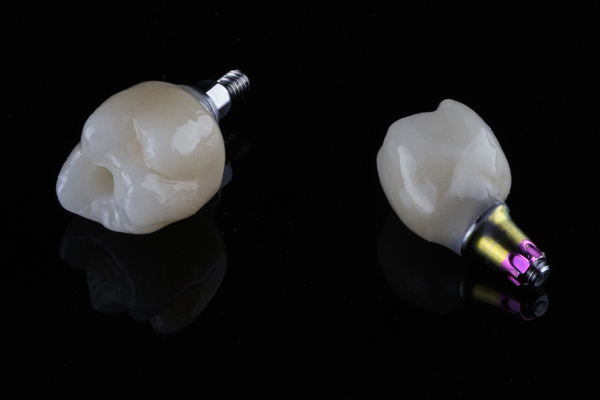
An implant crown is the top part of a dental implant that connects to the abutment and titanium rod. It is also a type of dental restoration that can support, strengthen, and protect a tooth. On its own, a dental crown is a good dental helper. It is for people who want to regain the integrity of at least one tooth. If you are thinking about having an implant crown placement, here are the facts.
Who needs an implant crown?
A crown’s purpose is to cover a damaged tooth. If the patient has a large cavity or has a root canal, a crown tops it off. A dental crown’s function is to finish the patient’s treatment. It is a versatile prosthesis. The dentist can also use it as the top part of a dental implant or part of a dental bridge.
Will a crown match a patient’s natural teeth?
Many patients want an implant crown that can blend in with the natural teeth. That is why dentists have crowns made of PFM (porcelain-fused-with-metal) or porcelain. This material has the texture and appearance of natural teeth. It is a discreet restoration that the patient can have even for a front tooth.
How long does it take to get an implant crown?
It usually takes two dental visits to finish a dental crown placement. The first one will be all about assessment, repairs, and taking the impression of the tooth. The impression will go to the dental lab to construct the dental crown. Then, about two weeks later, the dentist will place the implant crown on the patient’s tooth and bond it to the tooth.
What can the patient eat?
Many patients wonder what foods are appropriate to eat when teeth have dental crowns. Dentists usually tell patients that chewy and sticky foods can pull the implant crown. It is ideal to follow this instruction. Patients should also avoid eating hard and crunchy foods.
How long does an implant crown last?
The material of the crown is the basis of its life span. Metals usually last long. Porcelain and ceramic have a shorter life span. Some dental crowns last for five years. Others can last for 20 years with proper care.
Does it hurt to get implant crowns?
To make sure that the patient does not feel pain, the dentist will administer local anesthesia. The dentist will repair the tooth. If the damage is extensive, the anesthetic will help remove the pain from the procedure. Placing the implant crown may take time. Discomfort will happen, but the anesthesia will reduce it.
Can an implant crown break?
It is a rare instance, but a crown can break. This can happen when there is excessive pressure in the bite or chew. That is why dentists are particular about foods that patients should eat. The tooth underneath the crown will be exposed when the dental crown breaks.
Getting an implant crown can reinforce your tooth
An implant crown is a durable form of restoration for your damaged tooth. It is also the final touch in a dental bridge or implant procedure. You can choose the right material for crowns that suits your needs. Call our office to learn how you can best prepare for your upcoming procedure.
Request an appointment here: https://hkcomprehensivedentistry.com or call Comprehensive Dental Associates at (404) 425-9038 for an appointment in our Atlanta office.
Check out what others are saying about our dental services on Google: Implant Crown in Atlanta, GA.
Related Posts
A dental crown serves as a reliable way to protect a damaged or weakened natural tooth. These durable caps rebuild the tooth's shape while offering a shield against the pressures of chewing and speaking. While crowns are known to last a decade or more, the true lifespan depends on a few factors.The primary goal of…
Dental bridges are a reliable and effective solution for replacing missing teeth, restoring both the function and appearance of the smile. They fill the gaps created by one or more absent teeth, preventing surrounding teeth from shifting and maintaining proper alignment. Dental bridges offer a long-term solution that supports oral health, enhances chewing and speaking,…
Choosing a family dentist as your next dental provider is one of the best decisions you can make for every family member. However, there are multiple factors to take into account when asking questions. Here are a few potential questions to consider when searching for a family dentist.Most feel comfortable starting with questions about their…
Urgent dental matters are not something that people can always prepare for. However, a family dentist may be able to help with these sudden and immediate dental needs. Depending on the type of dental emergency, prompt treatment can help to preserve as much of the natural tooth as possible and prevent further damage.A lot of…