Can Botox Help with TMJ Pain and Jaw Tension?
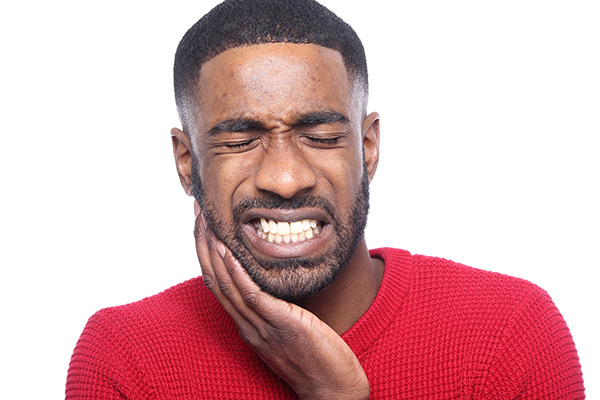
Botox® can help manage pain from temporomandibular joint (TMJ) disorders. This treatment relieves jaw tension by relaxing overworked muscles. When the jaw muscles remain tense for extended periods, patients may experience soreness, headaches, facial tightness, or discomfort when chewing. While many think of Botox as a beauty treatment, a dentist may recommend it to alleviate common TMJ symptoms.
A look at TMJ disorders and jaw tension
The temporomandibular joint (TMJ) connects the lower jaw to the skull. These sliding-hinge joints help the mouth open, close, chew, speak, and move from side to side. When they cannot work together smoothly, patients may develop a TMJ disorder. This can lead to symptoms that make everyday activities uncomfortable, especially when jaw tension becomes constant.
Jaw tension often comes from overactive chewing muscles. Some patients clench their jaw during the day without realizing it. Others clench or grind their teeth at night, then wake up with soreness in the jaw, temples, or face. Stress, bite imbalance, arthritis, injury, or long-term muscle overuse may also contribute to discomfort. A dentist can examine the bite, check the teeth for wear, and feel the jaw muscles to better understand what may be causing the problem.
What does TMJ pain feel like?
TMJ pain does not always feel the same. It may be marked by clicking or popping in the jaw or headaches, ear discomfort, tightness when opening the mouth wide, or fatigue after chewing. A dental evaluation helps patients understand whether the issue involves the joints, the muscles, the bite, or a combination of factors.
How Botox relaxes the jaw
Botox is an injection that works by temporarily reducing the activity of targeted muscles. A dentist can strategically place Botox into overworked jaw muscles, helping them relax. The masseter muscles, located along the sides of the jaw, are a common target because they are often involved in clenching and grinding. Another potential target is the temporalis muscles near the temples, as they can contribute to tension headaches and facial discomfort.
Botox as a TMJ treatment does not numb the jaw or stop normal movement. Patients can still speak, chew, and use their mouths as usual. The goal is to reduce excessive muscle activity that may be placing too much force on the teeth and jaw joints. When those muscles work less intensely, the jaw may feel less strained throughout the day.
Please note that Botox does not repair a damaged joint or correct every bite issue. However, it can help manage muscle-related tension that contributes to TMJ pain and jaw tension. A dentist may recommend it in combination with other treatments, such as a custom night guard, to combat nighttime grinding.
Who may be a good candidate for Botox?
Botox may be a good option for patients whose TMJ symptoms relate to muscle tension, clenching, or grinding. It may also help patients who have tried conservative care but still feel significant tightness in the jaw. Before recommending Botox, a dentist will look for signs such as enlarged masseter muscles, tenderness along the jawline, worn teeth, or pain that seems connected to overactive chewing muscles.
What to expect when getting Botox for TMJ
First, a dentist reviews the patient’s symptoms, medical history, medications, and any previous TMJ treatments. The exam may include checking jaw movement, muscle tenderness, bite pressure, and tooth wear. This step helps determine whether Botox is appropriate and where the injections should be placed.
Getting Botox for TMJ pain and jaw tension is usually quick and well-tolerated. The dentist uses a small needle to place Botox into specific jaw muscles. Most patients only feel a tiny pinch when the product is injected.
Typically, patients can go about their day as usual right after the appointment. It is advised, however, to avoid rubbing or massaging the injection sites for several hours. Patients may also need to stay upright for a few hours and avoid strenuous activity for a day or so. Mild tenderness or small bumps at the injection sites may occur, but these effects should resolve quickly.
Botox does not usually work immediately. Many patients begin noticing changes within several days, with fuller effects developing over the next couple of weeks. Symptom relief varies from person to person. The effects are temporary, so follow-up treatment may be needed every few months if Botox continues to help.
Exploring solutions for TMJ pain
Constant clenching can leave the jaw muscles tired and sore. Fortunately, reducing jaw tension with Botox can help patients find relief from TMJ pain. Learn more during an appointment.
Request an appointment here: https://hkcomprehensivedentistry.com or call Comprehensive Dental Associates at (404) 425-9038 for an appointment in our Atlanta office.
Check out what others are saying about our dental services on Google: Botox in Atlanta, GA.
Related Posts
Cosmetic dentists provide a wide range of procedures designed to improve the appearance of the teeth and surrounding structures. Many individuals seeking a brighter, straighter, or more youthful smile often turn to cosmetic dentistry to achieve their desired results. However, the lifespan of cosmetic dental treatments depends on several factors, including the type of procedure,…
A cosmetic dentist is essential not only in improving oral health but also in enhancing facial aesthetics. The relationship between a person's smile and their overall facial appearance is undeniable, as the teeth, gums, and jawline significantly contribute to one's overall aesthetic. Cosmetic dentistry treatments can improve facial harmony by addressing dental imperfections, creating a…
A cosmetic dentist is often associated with improving the appearance of the smile, but many treatments also offer important functional and health-related benefits. While patients may seek care for whiter, straighter, or more uniform teeth, cosmetic dentistry can contribute to long-term oral health, structural integrity, and overall confidence. Understanding the full value of cosmetic dental…
A cosmetic dentist focuses on improving the appearance of the teeth and gums while also maintaining oral health. In some cases, such as teeth straightening, they can even make it easier to maintain the health of the smile. From correcting discoloration to reshaping and aligning teeth, cosmetic dentistry can be subtle or transformative — it…